








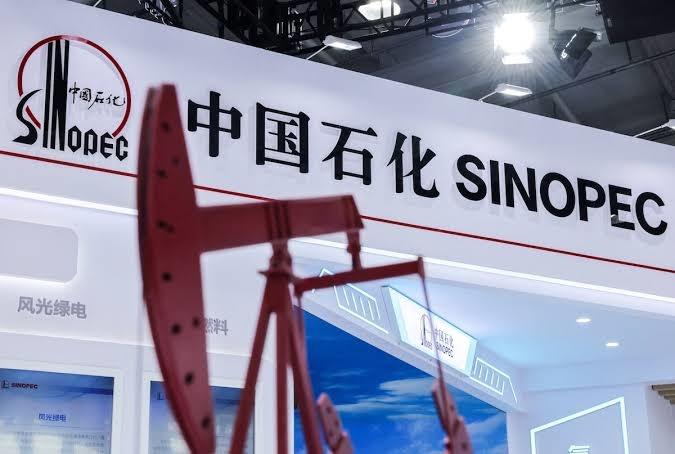
Beijing, China | August 6, 2026 – China’s state-owned energy giant Sinopec, the world’s largest oil refiner, has significantly increased imports of Russian crude oil from the country’s Far East to offset supply disruptions stemming from the ongoing conflict involving Iran, according to market sources and shipping data.
The strategic move reflects China’s efforts to maintain refinery operations and secure reliable crude supplies amid heightened geopolitical tensions that have disrupted traditional energy trade flows across the Middle East.
Between July and September, Sinopec is estimated to have purchased 30 to 40 cargoes of Russia’s Eastern Siberia–Pacific Ocean (ESPO) crude blend, equivalent to approximately 241,000 to 320,000 barrels per day (bpd). The imported volumes account for roughly 5–6% of the company’s total refining capacity of 5.2 million barrels per day.
While Sinopec declined to comment on operational matters, industry analysts say the purchases underscore the company’s strategy of prioritizing supply security, competitive pricing, and logistical efficiency during a period of global market volatility.
Russian Crude Offers Cost and Logistics Advantages
Market participants note that Russian ESPO crude has become increasingly attractive due to its lower cost compared with competing grades from Brazil, West Africa, and other international suppliers.
In addition to favorable pricing, ESPO cargoes benefit from shorter shipping distances to China and lower freight costs, making them a practical alternative as uncertainty continues to affect Middle Eastern supply routes.
According to shipping intelligence, Sinopec imported approximately 7.4 million barrels of ESPO crude in July, with most deliveries arriving at Rizhao Port in Shandong Province, one of China’s major refining hubs.
The company is also reported to have secured at least 10 cargoes each for August and September, demonstrating continued confidence in Far East Russian supplies.
Refining Operations Remain Stable
The increased Russian imports have enabled Sinopec to maintain relatively stable refinery throughput while taking advantage of favorable refining margins in international markets.
Although China imposed tighter restrictions on fuel exports earlier this year to safeguard domestic energy supplies amid war-related disruptions, authorities have since eased some export controls for July and August, providing refiners with greater flexibility.
Analysts believe this policy adjustment has helped improve refinery economics without triggering a broad-based recovery in China’s overall crude imports.
Emma Li, Lead China Analyst at Vortexa Analytics, noted that Chinese refiners are becoming increasingly selective in their purchasing strategies.
“Rather than broad-based import growth, demand is shifting toward barrels with greater delivery certainty and lower freight costs—primarily onshore inventories and short-haul Russian Far East cargoes.”
China’s Oil Import Strategy Continues to Evolve
Despite Sinopec’s increased purchases of Russian crude, China’s overall crude imports remain significantly below previous levels.
Industry data indicate that the country’s crude imports in June declined by approximately 41% year-on-year, reflecting weaker demand and supply chain disruptions linked to geopolitical tensions.
Rather than increasing imports across all regions, Chinese refiners are prioritizing crude grades that offer dependable delivery schedules, lower transportation costs, and stable commercial arrangements.
Return to Russian Purchases
China and India have remained the largest buyers of Russian crude since the outbreak of the Russia–Ukraine conflict. However, major Chinese state-owned refiners, including Sinopec, had previously suspended purchases from certain Russian suppliers following U.S. sanctions imposed on leading producers.
Sinopec resumed purchases earlier this year after a temporary U.S. sanctions waiver and has since expanded procurement as Middle Eastern supply uncertainty intensified.
According to market participants, the company’s recent ESPO acquisitions have been conducted through intermediaries rather than directly with sanctioned entities. Transactions have reportedly continued to be settled in Chinese yuan, a practice increasingly adopted in trade between Chinese buyers and Russian exporters.


