




WASHINGTON — September 15, 2026 — With roughly two months remaining before Americans head to the polls for the midterm elections, election officials across the United States are preparing for a range of potential disruptions, including political interference, misinformation, cyberattacks and threats against election workers.
The preparations come amid growing concerns that the federal government could attempt to expand its role in elections, an area traditionally administered primarily by state and local authorities.
Officials in several states are conducting exercises and developing contingency plans for scenarios involving federal intervention at polling places, demands for access to voting equipment and disputes over election records.
States Prepare for Possible Federal Intervention
In California, election officials have considered how they would respond if federal agents were deployed to polling locations in ways that could intimidate voters or discourage participation.
Michigan officials, meanwhile, have been advising local election clerks on how to respond if federal authorities request access to voting machines or other election equipment.
Across the country, election administrators are also preparing for potential legal disputes involving voting equipment, ballots, voter records and investigations into alleged election fraud.
The preparations involve officials from both major political parties and span states controlled by Republicans as well as those governed by Democrats.
Growing Concerns Over Election Security
Election officials say the challenges facing the 2026 midterms extend beyond traditional concerns such as technical failures or foreign interference.
Many are increasingly focused on the possibility of political pressure coming from within the federal government.
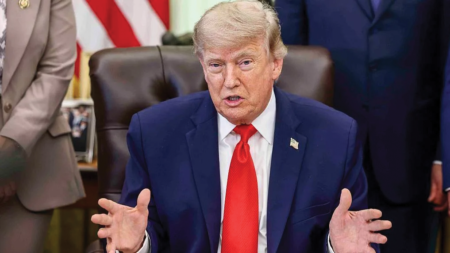
President Donald Trump has repeatedly called for a greater federal role in U.S. elections and has backed efforts to tighten voting procedures, particularly around mail-in ballots.
His administration has also pursued investigations into alleged election irregularities and sought access to voter information maintained by states.
The White House has rejected concerns that its actions could undermine the elections, arguing that the administration is enforcing election laws and working to strengthen public confidence in the voting system.
White House spokesperson Lauren Bis has accused Democrats of contributing to distrust in elections while defending the administration’s focus on allegations of voter fraud.
Trump Campaigns on Election Changes
Trump has openly connected several of his election-related initiatives to Republican electoral interests.
His administration has sought changes to mail-in voting rules and pushed for greater federal involvement in election administration.
The president has also supported efforts to redraw congressional districts before the midterms, triggering battles over congressional maps in several states.
Those redistricting efforts could potentially affect the balance of power in the U.S. House of Representatives.
The administration has additionally challenged states over access to voter information, including certain personal details contained in voter records.
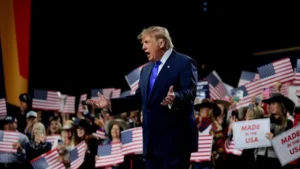
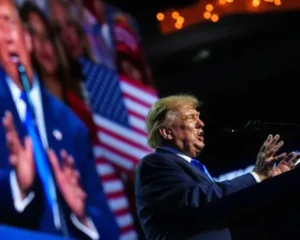
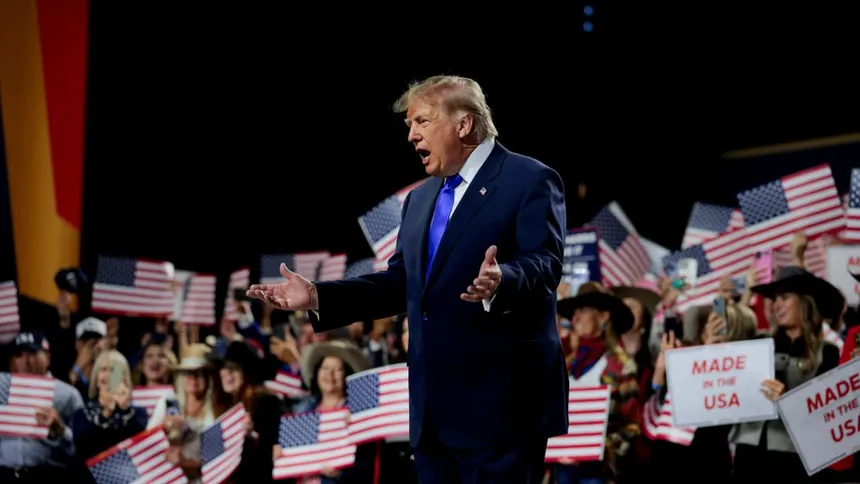
At a Republican Party gathering in Dallas last week, Trump urged supporters to turn out strongly for the midterm elections and made controversial comments about voting and voter registration.
Election Officials Strengthen Legal Preparedness
The growing uncertainty has prompted election officials to seek additional legal support.
More than a dozen state and local officials have reportedly hired outside attorneys or arranged legal training for themselves and their employees.
The goal is to ensure that election administrators understand their legal authority and responsibilities if federal agencies seek access to sensitive voting records, election equipment or polling locations.
Officials are also increasing public education campaigns designed to combat misinformation about voting.
Some jurisdictions are expanding their use of social media and other communication channels to respond to false claims about voting machines, mail ballots and election procedures.
Security Measures Expanded
Election offices are also strengthening physical and digital security.
Some officials are installing additional surveillance cameras, improving building security and adding protective barriers such as bullet-resistant glass.
These measures follow years of increased threats against election workers, particularly after disputes surrounding the 2020 presidential election.
Election officials have faced harassment, intimidation and threats as political divisions over election integrity have intensified.
At the same time, officials are working to address cybersecurity vulnerabilities and protect election infrastructure from potential attacks.
Legal Safeguards Could Limit Federal Action
Some election experts believe existing legal protections could prevent the federal government from taking certain actions.
Courts have previously blocked attempts to impose changes to election procedures without sufficient legal authority.
Experts also warn that actions such as deploying armed federal personnel to polling stations could face significant legal challenges and generate substantial political opposition.
However, election administrators say they cannot rely solely on legal safeguards when preparing for the November elections.
High Stakes for Control of Congress
The 2026 midterm elections could have major consequences for the Trump administration.
Republicans currently control Congress, giving Trump significant ability to advance his political and legislative agenda.
If Democrats gain control of either the House of Representatives or the Senate, the administration could face significantly stronger congressional oversight and greater resistance to its legislative and judicial priorities.
That possibility has increased the political importance of several closely contested races across the country.
Election Officials Urge Voters to Stay Informed
As preparations continue, election officials are encouraging voters to rely on official information from state and local election authorities rather than unverified claims circulating online.
The coming weeks are expected to bring further political and legal battles over voting procedures, election administration and the role of the federal government.
For election administrators, the immediate priority is to ensure that voters can cast their ballots safely and that election results can be administered and certified according to established laws and procedures.
The 2026 midterm elections are scheduled for November 3, with control of Congress at stake.