









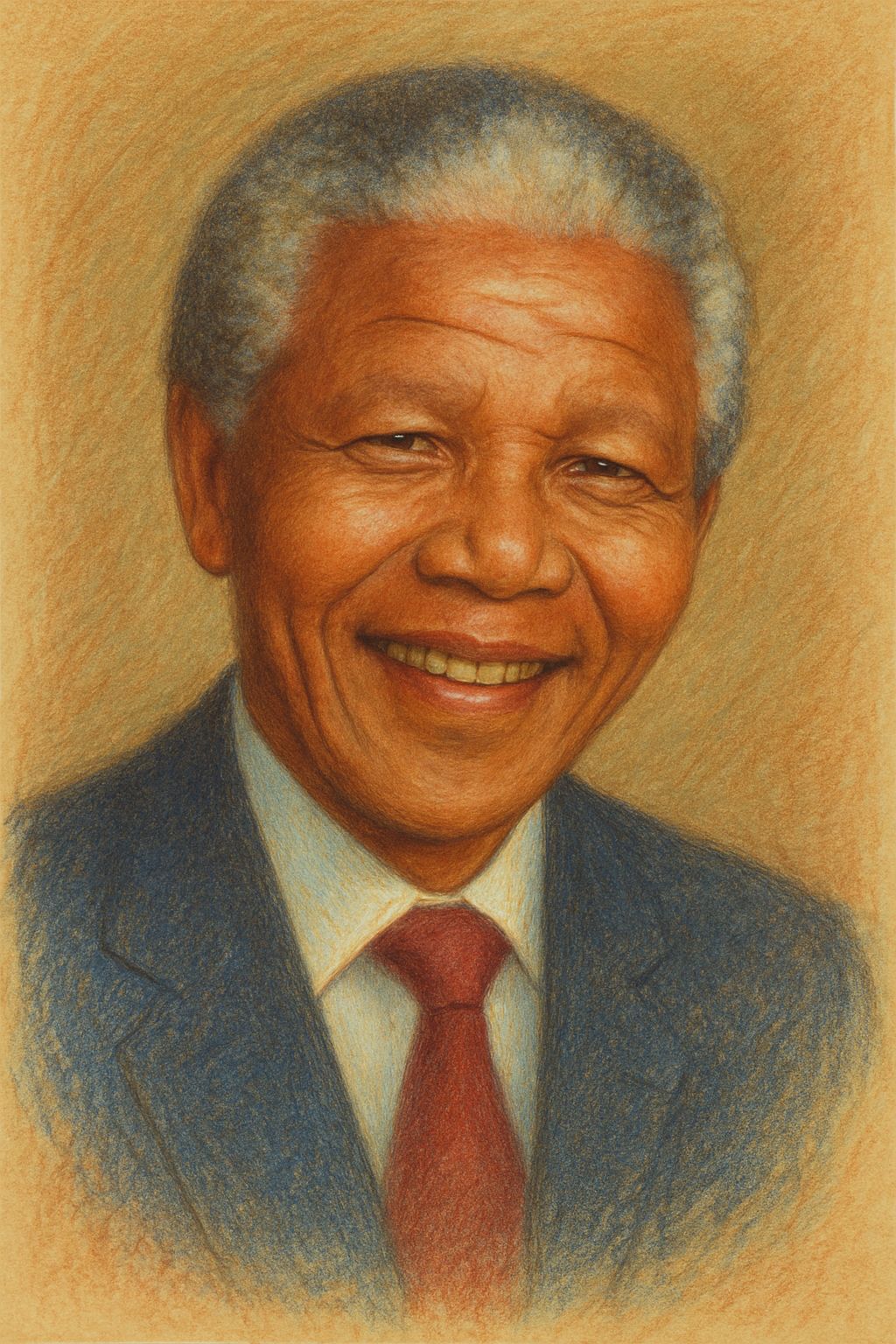
Africa’s history of influential leadership did not end with the liberation era. From pre-colonial state builders and independence icons to today’s heads of state shaping regional and global affairs, the continent’s leadership legacy spans generations. Together, these leaders have defined Africa’s political direction, ideological identity, and place in the world.
At the heart of Africa’s historical influence stands Nelson Mandela of South Africa, whose leadership in ending apartheid and promoting reconciliation elevated him into a global symbol of justice and moral authority. His approach to leadership reshaped international perceptions of Africa and set a benchmark for peaceful democratic transition. Alongside him, Kwame Nkrumah of Ghana articulated the vision of Pan-African unity, inspiring liberation movements across the continent and laying the intellectual groundwork for continental cooperation. His belief that Africa’s strength lay in unity remains influential today.
Haile Selassie I of Ethiopia reinforced African sovereignty during the height of colonialism and played a central role in founding the Organisation of African Unity, helping institutionalise African solidarity. In East Africa, Julius Nyerere of Tanzania became known for principled leadership, investment in education, and support for liberation struggles in Southern Africa. His emphasis on ethics and unity continues to resonate in governance debates. Revolutionary leaders such as Thomas Sankara of Burkina Faso and Patrice Lumumba of the Democratic Republic of Congo further shaped African political consciousness through their uncompromising stances on integrity, self-reliance, and resistance to external domination.
Africa’s leadership influence also stretches into the pre-colonial era through figures such as Shaka Zulu, whose military innovation and state-building transformed Southern Africa, and into the Cold War period through leaders like Gamal Abdel Nasser of Egypt, who positioned Africa as a significant force in global anti-imperialist politics. Though controversial, Muammar Gaddafi of Libya also left a mark through his push for African unity and support for continental institutions.
In the contemporary era, African influence is increasingly defined by economic management, regional security, diplomacy, and global engagement. Paul Kagame of Rwanda is widely recognised for post-genocide state-building, institutional reform, and economic transformation, positioning Rwanda as a model of recovery and governance efficiency. Abdel Fattah el-Sisi of Egypt remains a central figure in African and Middle Eastern geopolitics, wielding influence through Egypt’s military strength, strategic control of the Suez Canal, and active role in continental security and diplomacy.

In the Horn of Africa, Abiy Ahmed of Ethiopia has played a major role in regional diplomacy and security dynamics, shaping political outcomes beyond Ethiopia’s borders, even as his leadership remains subject to intense debate. Bola Ahmed Tinubu of Nigeria leads Africa’s most populous nation and largest economy, giving him substantial influence in West Africa and continental economic affairs. William Ruto of Kenya has emerged as a key regional diplomat, active in peace efforts and global climate discussions, strengthening East Africa’s voice internationally.
Other contemporary leaders exert influence through diplomacy, democratic credibility, and continental roles. Macky Sall of Senegal has been widely respected for his leadership style and international engagement, including his tenure as Chair of the African Union, which elevated West Africa’s voice in global affairs. Meanwhile, King Mohammed VI of Morocco has expanded his country’s influence through economic diplomacy and infrastructure investment across Africa.
Taken together, Africa’s most influential leaders past and present reflect the continent’s evolving priorities. Where earlier generations focused on liberation and sovereignty, today’s leaders grapple with development, governance, security, and global integration. Yet across eras, the measure of influence remains the same: the ability to shape ideas, inspire people, and alter the course of history beyond national borders.


