








Michigan has recorded 13,909 cases linked to the ongoing cyclosporiasis outbreak, an increase of about 11% from the previous week, making the state by far the hardest-hit area in the multi-state outbreak of the parasitic illness.
Despite the sharp increase in cumulative cases, Michigan health officials said there are encouraging signs that the outbreak may be slowing. New case reports and emergency-department visits have been declining, suggesting that the pace of new infections could be easing.
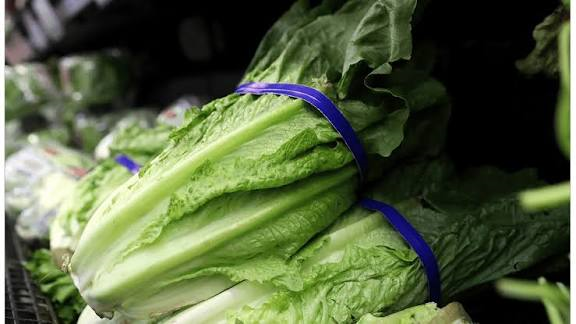
Officials have also told residents that they can return to normal guidance regarding the consumption of lettuce and other salad greens, following earlier concerns about contaminated fresh produce.
Michigan remains the epicenter
Michigan continues to account for a significant share of cases reported across the United States.
Within the state, Wayne County has recorded the largest number of infections, with 1,794 cases, followed by Oakland County, with 1,344.
People between the ages of 30 and 39 represent the largest affected age group, accounting for approximately 2,615 cases.
The outbreak has also resulted in hospitalizations. Michigan health officials said 314 infected people have been hospitalized.
Last week, authorities reported two deaths associated with the outbreak. Officials said both individuals had significant underlying health conditions.
National outbreak continues
The outbreak is not limited to Michigan.
The U.S. Centers for Disease Control and Prevention reported 13,895 laboratory-confirmed cases across 47 states as of August 11.
Cyclosporiasis is caused by the Cyclospora parasite and is generally associated with contaminated food or water. The illness can cause prolonged gastrointestinal symptoms, including diarrhea, abdominal discomfort, nausea and fatigue.
The large number of infections has raised concerns about the safety of fresh produce and has affected consumer confidence in salad greens and other uncooked foods.
Produce industry faces consumer concerns
Although Michigan officials have eased some of the warnings surrounding lettuce, the outbreak has had consequences beyond products directly connected to suspected contamination.
Restaurants and supermarkets have reported weaker consumer confidence in fresh produce, with some customers becoming more cautious about purchasing salads and other uncooked foods.
The concern has extended beyond recalled or specifically identified products, illustrating how large foodborne outbreaks can affect entire categories of the food industry.
FDA seeks to reassure consumers
Acting FDA Commissioner Kyle Diamantas has urged Americans to remain confident in the safety of fresh produce.
The FDA has finalized new guidance covering aspects of produce preparation and packaging as officials attempt to reduce the risk of future foodborne outbreaks.
The agency’s efforts come as health authorities and the food industry face growing pressure to strengthen preventive measures throughout the supply chain, from harvesting and processing to packaging and distribution.
Cases rising, but momentum may be changing
The latest Michigan figures present a mixed picture.
On one hand, nearly 14,000 cases in a single state represents a substantial public-health impact, and the cumulative number continues to rise.
On the other hand, officials say the number of newly reported infections and emergency-department visits is declining. That could indicate that transmission is beginning to slow, although health authorities will need additional weeks of data to determine whether the trend is sustained.