








November 25, 2025 — Bangladesh has made major progress in reducing poverty over the last decade, lifting 25 million people out of poverty and 9 million out of extreme poverty between 2010 and 2022, according to the Bangladesh Poverty and Equity Assessment 2025 released today by the World Bank. Improvements in access to electricity, education, sanitation, and general living standards were central to this success.
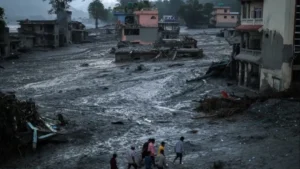
However, the report warns that since 2016 the pace of poverty reduction has slowed, economic growth has become less inclusive, and income inequality has risen. Nearly 62 million Bangladeshis—one-third of the population—remain vulnerable, at risk of falling back into poverty from shocks such as illness or natural disasters.
Extreme poverty fell from 12.2% to 5.6%, and moderate poverty dropped from 37.1% to 18.7% between 2010 and 2022. Rural areas, led by strong agricultural performance, drove much of the reduction. In contrast, urban progress lagged, and by 2022 one in four poor citizens lived in cities.
“Bangladesh has long been recognized for its achievements in reducing poverty, but slower job creation, climate risks, and global challenges are weakening labor income,” said Jean Pesme, World Bank Division Director for Bangladesh and Bhutan. “A job-centered, pro-poor, and climate-resilient strategy is essential to reignite inclusive and sustainable growth.”
Job creation in manufacturing has stalled, pushing workers into less productive sectors. Women and youth are most affected: one in five young women is unemployed, while one in four educated young women cannot find a job. Youth aged 15–29 are increasingly engaged in low-paying work, reflecting persistent skills gaps. Urban job growth has particularly stagnated outside Dhaka, with declining female labor force participation.
Migration—both domestic and international—remains a key escape route from poverty. Remittances help reduce poverty, especially for poorer families. Yet domestic migrants often endure overcrowded, poor-quality living conditions, while international migration remains inaccessible to many due to high upfront costs.
The report also highlights inefficiencies in social protection. Although Bangladesh expanded assistance programs, they remain poorly targeted: 35% of the richest households receive benefits, while half of the poorest do not. Subsidies in electricity, fuel, and fertilizer disproportionately benefit wealthier families.
To accelerate poverty reduction and narrow inequalities, the World Bank identifies four priority areas:
-
Build strong foundations for productive employment
-
Create more and better jobs for poor and vulnerable groups
-
Improve market systems by upgrading processing sectors and regulating businesses effectively
-
Strengthen resilience through sound fiscal policies and targeted social protection
“Bangladesh has reduced regional disparities, but climate pressures are widening gaps between rural and urban areas,” said Sergio Olivieri, World Bank Senior Economist and co-author. “Innovative policies can help restore momentum by improving connectivity, expanding quality urban jobs, supporting pro-poor agricultural value chains, and ensuring social protection reaches those who need it most.”


