








NEW DELHI — India has approved increased electricity exports to Nepal as the Himalayan nation continues to deal with the devastating impact of last month’s floods, which severely damaged its power infrastructure and left the country facing significant electricity shortages.
Under the new arrangement, India will supply Nepal with up to 654 megawatts of electricity for as many as 18 hours a day through December 31, 2026, according to India’s Ministry of Power.
The amount of electricity available for export from January onward will be reviewed in December based on Nepal’s recovery and energy requirements.
Floods Severely Damage Nepal’s Power Sector
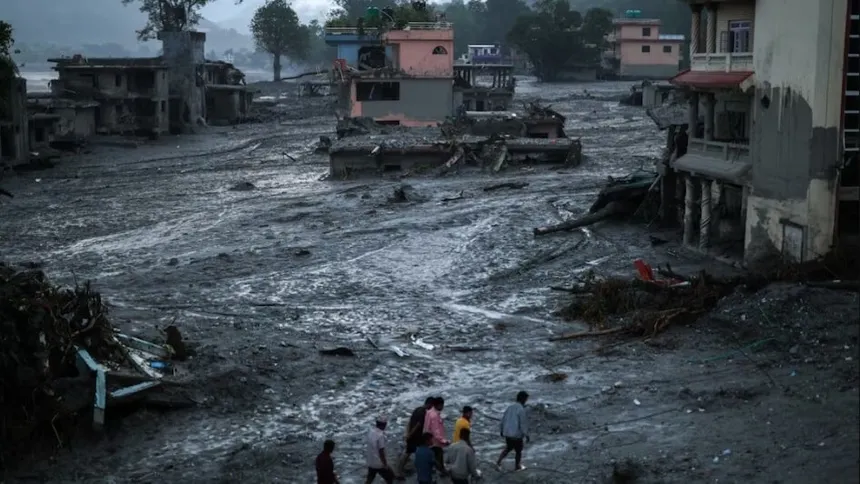
The emergency power arrangement follows a catastrophic flooding event that caused widespread destruction across parts of Nepal and neighbouring Tibet.
The disaster, reportedly triggered by the collapse of a glacier, killed nearly 1,400 people in Nepal and Tibet, while thousands more remain unaccounted for.
More than 12 hydropower facilities in Nepal were swept away or severely affected by the flooding. Approximately 900 power-sector workers are also among more than 5,300 people still reported missing.
The destruction has dealt a major blow to Nepal’s electricity-generation capacity, eliminating roughly 10% of the country’s generation capacity at a time when reliable power is critical for households, businesses and reconstruction efforts.
India Steps In to Help Meet Energy Demand
India’s decision is expected to provide much-needed relief as Nepal works to restore damaged infrastructure and maintain electricity supplies.
The Indian Ministry of Power said the approval would help Nepal meet its energy requirements during the crisis while strengthening the longstanding energy relationship between the two neighbouring countries.
The agreement also highlights the growing importance of cross-border electricity cooperation between India and Nepal, particularly as both countries expand their renewable-energy infrastructure.
Nepal’s Hydropower Industry Hit Hard
Hydropower is the backbone of Nepal’s electricity sector and has become an increasingly important source of export revenue for the country.
Nepal had been expanding its hydropower capacity and increasing electricity exports to neighbouring markets before the floods.
However, the disaster severely affected Bagmati province, one of Nepal’s major hydropower-producing areas.
Following the destruction, Nepal suspended electricity exports and began making arrangements to import additional power from India to meet domestic demand during the coming months.
The disruption could also slow Nepal’s ambitions to use hydropower exports as a major source of foreign revenue.
Reconstruction Could Cost Billions
The scale of the destruction has prompted Nepal to seek international financial assistance.
Nepali officials have said the country could require approximately $5 billion for initial reconstruction and recovery efforts following the disaster.
The government is expected to appeal to wealthier countries and international institutions for financial support, arguing that vulnerable developing countries are increasingly bearing the consequences of climate-related disasters despite contributing relatively little to global emissions.
Climate Change Concerns Grow
The disaster has also intensified concerns about the vulnerability of Himalayan communities and infrastructure to climate-related events.
The Himalayan region is particularly vulnerable to changes in temperature and the stability of glaciers. Extreme weather events can threaten settlements, infrastructure, hydropower facilities and other critical assets.
For Nepal, the latest floods demonstrate the economic risks associated with dependence on hydropower infrastructure located in mountainous and environmentally sensitive areas.
India-Nepal Energy Cooperation
The emergency electricity agreement could further strengthen energy ties between India and Nepal.
India has increasingly become an important electricity partner for Nepal, while Nepal has sought to expand its hydropower production and export surplus electricity to neighbouring countries.
For the immediate future, however, Nepal’s priority will be restoring damaged generation capacity and ensuring sufficient electricity for domestic consumers.
The additional power supplied by India is expected to help bridge the gap while reconstruction and recovery efforts continue.
The emergency arrangement will remain in place through December 31, with the future volume of electricity exports expected to be reassessed before the end of the year.


