









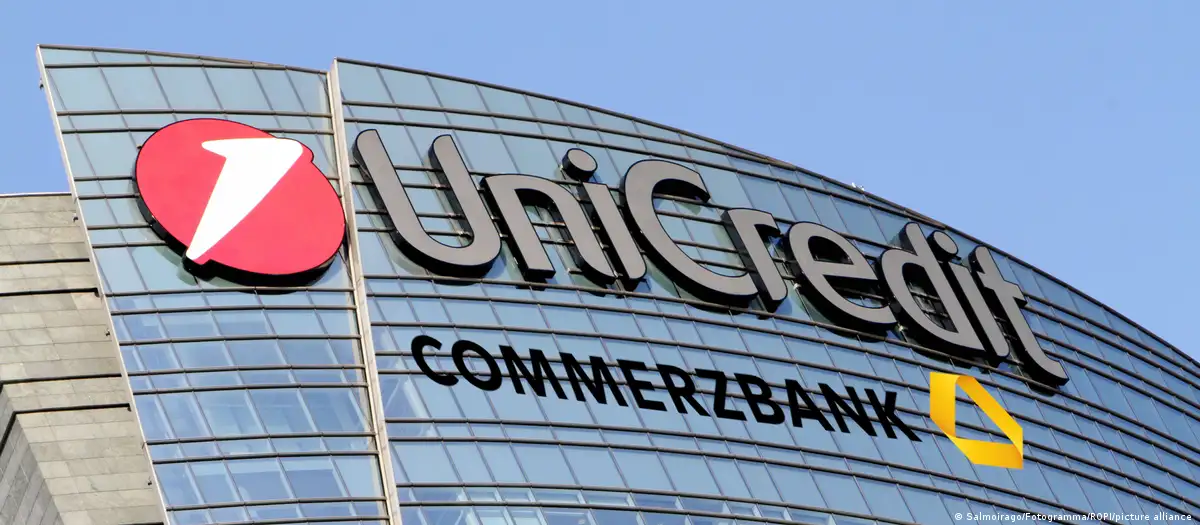
Frankfurt, Germany | August 6, 2026 – Commerzbank has confirmed that it has formally entered discussions with UniCredit regarding a potential strategic combination, marking a significant shift in one of Europe’s most closely watched banking developments. The announcement signals a more collaborative approach between the two financial institutions after nearly two years of resistance and uncertainty over UniCredit’s acquisition ambitions.
Speaking during the bank’s second-quarter earnings presentation, Commerzbank Chief Executive Officer Bettina Orlopp said the ongoing discussions are aimed at determining whether a transaction can create long-term value for shareholders, customers, employees, and the broader European banking sector.
“We have started talks on this, which is in the genuine interest of both UniCredit and Commerzbank, as we are both determined to create value for our shareholders, clients and employees,” Orlopp stated.
The renewed dialogue represents a notable turning point following UniCredit’s €45 billion takeover proposal and its gradual increase in ownership to approximately 48% of Commerzbank, positioning the Italian banking group as the German lender’s largest shareholder.
A New Chapter in European Banking Consolidation
For much of the past two years, Commerzbank’s management firmly opposed UniCredit’s takeover efforts. However, recent developments indicate that both institutions are now exploring opportunities to establish common ground and assess the strategic benefits of a potential merger.
According to Commerzbank, discussions will focus on identifying operational synergies, improving efficiency, coordinating large-scale investment initiatives, and evaluating opportunities to strengthen competitiveness within Europe’s increasingly challenging banking landscape.
Orlopp emphasized that any future transaction must be built on cooperation rather than unilateral decision-making.
“It requires a shared understanding of the business model and the involvement of all stakeholders.”
Strong Financial Performance Strengthens Commerzbank’s Position
The announcement coincided with Commerzbank’s impressive second-quarter financial results, which demonstrated the bank’s continued operational strength despite ongoing takeover discussions.
The bank reported a 94% increase in second-quarter net profit, reaching €898 million, driven primarily by stronger commission income and resilient business performance across key operating segments.
The results reinforce Commerzbank’s confidence as negotiations progress, highlighting that discussions with UniCredit are taking place from a position of financial stability rather than necessity.
Strategic Differences Remain
While negotiations have begun, several strategic issues remain unresolved.
One of the key areas of discussion involves Commerzbank’s international business. The German bank continues to maintain that its international lending and trading operations remain central to its long-term growth strategy.
Observers note that UniCredit may favor a greater focus on the German domestic market, underscoring a strategic difference that will likely form part of ongoing negotiations.
Commerzbank has reiterated that any future structure must preserve a sustainable business model while delivering value to customers, investors, and employees alike.
Political and Regulatory Considerations
Despite the renewed talks, political sensitivity surrounding the proposed transaction remains high.
The German Finance Ministry, which retains a 12% stake in Commerzbank following the bank’s rescue during the global financial crisis, reiterated that discussions should remain between the two institutions while expressing concern over what it described as UniCredit’s previously aggressive acquisition strategy.
The proposed combination continues to attract significant attention across Europe, reflecting the broader debate over cross-border banking consolidation within the eurozone. Industry analysts argue that larger pan-European banking groups could improve competitiveness against major U.S. financial institutions, although political, regulatory, and governance challenges continue to complicate such transactions.


