


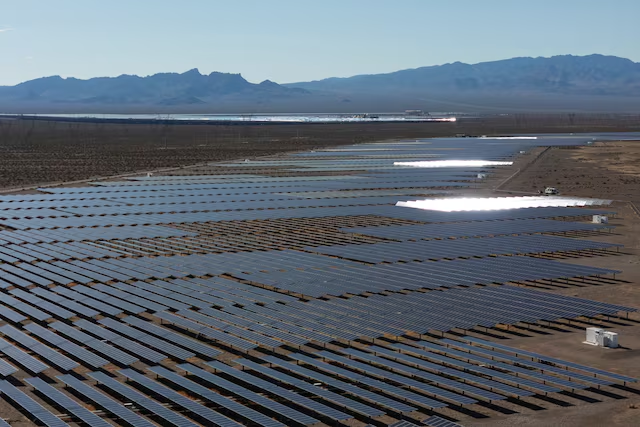
In a significant development for the global renewable energy sector, China has recorded a remarkable 60% year-on-year increase in solar exports for April. This sharp rise underscores the country’s continued dominance in solar manufacturing and its growing influence in the global transition toward clean energy.
A Record-Breaking Month for Solar Trade
China, already the world’s largest producer of solar panels, has once again demonstrated its industrial strength. The surge in exports reflects both rising international demand and the country’s ability to produce solar components at scale and at competitive prices. From photovoltaic (PV) modules to key raw materials, Chinese manufacturers are meeting the needs of both developed and emerging markets.
What’s Driving the Growth?
Several factors are fueling this export boom:
- Global Push for Clean Energy: Countries across Europe, India, and parts of Africa are accelerating their renewable energy adoption to meet climate goals and reduce reliance on fossil fuels.
- Cost Efficiency: Chinese solar products remain among the most affordable globally, making them attractive to governments and private investors alike.
- Technological Advancements: Continuous innovation has improved efficiency and durability, increasing the appeal of Chinese-made solar systems.
- Policy Support: Strong backing from the Chinese government has helped scale production and maintain global competitiveness.
Impact on Global Markets
This 60% surge is not just a national milestone—it has far-reaching global implications:
- Lower Solar Costs Worldwide: Increased supply helps drive down prices, making solar energy more accessible.
- Increased Competition: Manufacturers in other regions may struggle to compete with China’s pricing and scale.
- Energy Transition Acceleration: More affordable solar panels mean faster adoption of renewable energy globally.
Concerns and Challenges
While the growth is impressive, it also raises important questions:
- Market Dependence: Many countries are becoming heavily reliant on Chinese solar imports, which could pose supply chain risks.
- Trade Tensions: Regions like United States and the European Union have previously considered tariffs and restrictions to protect local industries.
- Sustainability Issues: The environmental impact of large-scale manufacturing and raw material sourcing remains a concern.
What This Means for Africa
For countries in Africa, including Nigeria, this surge presents a major opportunity. With falling prices and increased availability, solar energy is becoming a more viable solution to persistent electricity challenges. Governments and private investors can leverage this trend to expand access to clean, reliable power.
Looking Ahead
China’s solar export growth is likely to continue as global demand rises. However, the future will depend on how countries balance affordability with energy independence and sustainability. One thing is clear: solar energy is no longer a niche market—it is at the center of the global energy transition.
As the world moves toward a greener future, China’s role as a key supplier will remain both influential and, at times, controversial.

