


The measure was passed with 123 votes in favor, while three countries—the United States, Israel, and Argentina—voted against it. Fifty-two nations abstained, including the United Kingdom and several member states of the European Union.
The resolution calls on UN member states to consider issuing formal apologies for their roles in the transatlantic slave trade and to contribute to a reparations fund aimed at supporting affected communities. While it does not specify financial amounts, it emphasizes the importance of justice, education, and long-term development initiatives.
Speaking ahead of the vote, Ghana’s President, John Mahama, stated that the resolution ensures the memory of millions who suffered is preserved and acknowledged. He described the adoption as both a safeguard against historical erasure and a challenge to the enduring legacy of racial discrimination.
Ghana’s Foreign Minister, Samuel Okudzeto Ablakwa, emphasized that the call for reparations is rooted in justice rather than financial gain. He highlighted the need for investments in education, skills training, and community development as part of a broader framework for reparatory justice.
The resolution also reflects growing international momentum around the issue, with the African Union naming reparatory justice as a central theme for 2025 and Commonwealth leaders calling for continued dialogue.
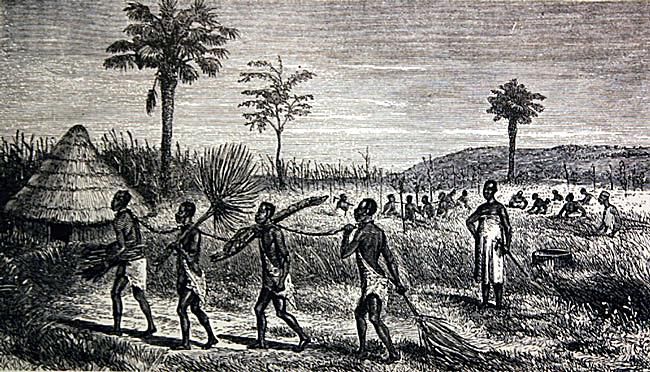
Between the 16th and 19th centuries, an estimated 12 to 15 million Africans were forcibly taken to the Americas, with over two million lives lost during the transatlantic journey. Although resolutions from the General Assembly are not legally binding, they carry significant moral and political weight, signaling a unified global stance on historical accountability and justice.