









May 18, 2026
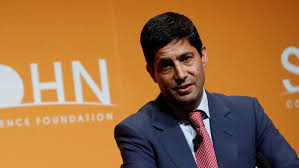
The Federal Reserve is entering a new phase of leadership as former governor Kevin Warsh prepares to be sworn in as Chair. His appointment marks a transition following years of policy challenges, including tensions with the White House, the global pandemic, and efforts to curb high inflation.
Outgoing Chair Jerome Powell will continue to serve temporarily in a leadership capacity and remain a member of the Federal Reserve Board, ensuring continuity during the transition.
The leadership change also signals a shift in dynamics between the central bank and the administration of Donald Trump. While past relations between the White House and the Federal Reserve were often strained—particularly over interest rate decisions—the incoming chairmanship is expected to offer a potential reset in policy engagement.
Economic Outlook Remains Uncertain
Despite the leadership transition, the economic outlook remains complex. Inflation continues to exceed the Federal Reserve’s 2% target, driven by factors including sustained consumer demand, elevated oil prices linked to geopolitical tensions, and the lingering effects of import tariffs.
Several Federal Reserve officials have expressed concern about persistent price pressures, suggesting that tighter monetary policy may be required. Market expectations indicate that interest rate increases could be considered as early as January under the new leadership.
Balancing Inflation and Employment
The Federal Reserve’s dual mandate—to maintain price stability and support maximum employment—remains at the forefront of policy decisions. While inflation has proven more stubborn than anticipated, the labor market has remained relatively stable.
The unemployment rate currently stands at 4.3%, a level considered low by historical standards. However, policymakers are closely monitoring potential risks, as efforts to reduce inflation through higher interest rates could impact job growth.
Policy Direction Under Warsh
As Kevin Warsh prepares to take office, he faces the challenge of navigating competing economic priorities. While there is political pressure to lower interest rates, concerns over rising inflation may necessitate a more cautious or restrictive approach.
The Federal Reserve will continue to assess incoming economic data and adjust its policy stance accordingly to ensure long-term economic stability.


