








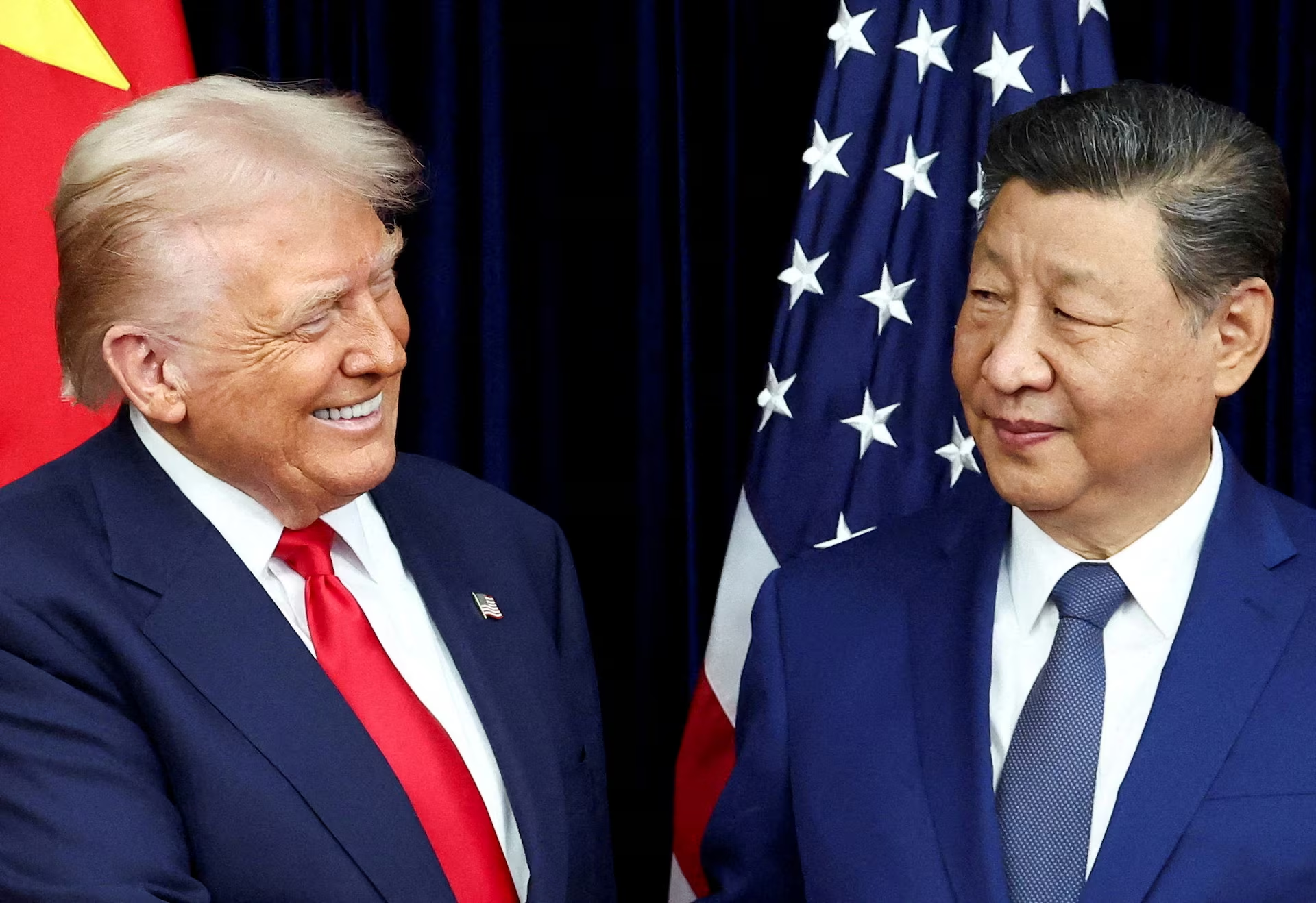
Beijing has confirmed that Donald Trump will travel to China from May 13 to May 15 for an official meeting with Xi Jinping, marking the first visit to China by a sitting U.S. president in nearly a decade.
The visit comes at a critical moment in U.S.-China relations, as both nations navigate a fragile trade truce following years of escalating tariffs and economic rivalry between the world’s two largest economies.
Senior executives from leading American corporations—including Boeing, Citigroup, and Qualcomm—are expected to accompany President Trump. The delegation is anticipated to explore new business agreements and strengthen commercial ties with Chinese firms.
Trade Tensions and Tariff Policies
Since returning to office in 2025, President Trump has intensified tariff measures on Chinese imports. His administration imposed tariffs of up to 20%, alongside additional levies reaching 34%, citing concerns including the flow of illicit substances such as fentanyl into the United States.
These policies have significantly impacted global trade flows. Chinese exporters have faced mounting inventory pressures, while American companies have sought alternative supply chains to mitigate rising costs.
China responded with retaliatory tariffs, particularly targeting U.S. agricultural exports—placing pressure on American farmers, a key domestic political constituency.
Strategic Economic Pressures
Analysts note that the trade conflict has revealed strategic vulnerabilities on both sides. The United States remains dependent on China’s dominance in rare earth materials—critical components in industries ranging from consumer electronics to defense systems.
Following earlier negotiations, including a key meeting between Trump and Xi in October, China agreed to ease certain export restrictions. In turn, the United States secured commitments for increased Chinese purchases of American agricultural goods.
Historical Context of the Trade Dispute
The U.S.-China trade conflict dates back to 2018, when President Trump introduced tariffs on approximately $250 billion worth of Chinese imports, aiming to address trade imbalances and revive domestic manufacturing.
Subsequent administrations, including that of Joe Biden, maintained and expanded these measures. The Biden administration also introduced additional restrictions on Chinese technology firms such as Huawei, citing national security concerns, and increased scrutiny of platforms like TikTok.
By 2025, escalating tariffs from both nations exceeded 100% on certain goods, intensifying the trade war before a temporary pause was agreed following diplomatic engagements.


