




Jerusalem / Washington — March 3 — Israeli Prime Minister Benjamin Netanyahu stated Monday that the ongoing war against Iran “is not going to take years,” emphasizing that Israel expects the campaign to be limited in duration despite escalating regional hostilities.
In an interview on Fox News’ Hannity, Netanyahu said the conflict could be “quick and decisive,” adding, “It may take some time, but it’s not going to take years. It’s not an endless war.”
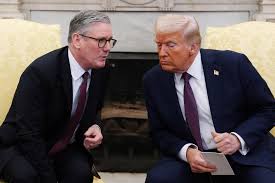
The remarks come as fighting widens across the Middle East. The United States and Israel launched coordinated airstrikes on Iranian targets on Saturday. U.S. President Donald Trump initially projected a four- to five-week timeline for the campaign but has since defended a broader, open-ended military engagement aimed at dismantling Iran’s ballistic missile and nuclear capabilities.
Military Escalation Across the Region
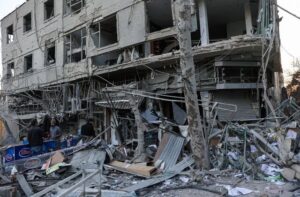
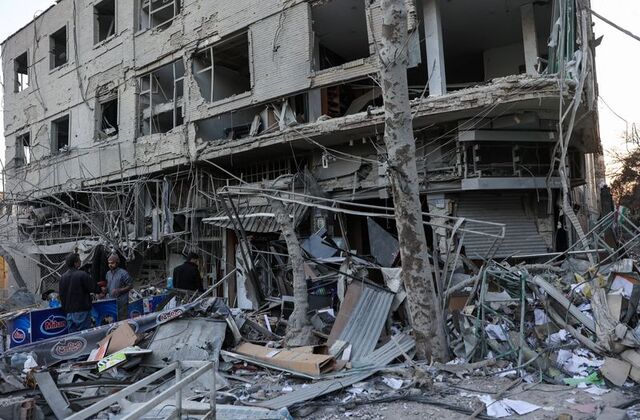
Iran has responded with missile and drone strikes targeting Israel, U.S. forces, and Gulf states hosting American military bases. Explosions were reported in Tel Aviv as Israeli air defenses intercepted incoming projectiles.
The Israeli military confirmed strikes on facilities in Tehran, including the headquarters complex of state broadcaster Islamic Republic of Iran Broadcasting, as well as operations against Hezbollah positions in Lebanon. Israeli forces have deployed additional troops to southern Lebanon under what officials described as a “forward defence” posture.
Iran’s Islamic Revolutionary Guard Corps (IRGC) claimed responsibility for attacks on U.S. military infrastructure in the Gulf, including reported strikes on a U.S. air base in Bahrain and drone attacks targeting the U.S. embassy in Riyadh. Saudi authorities confirmed intercepted drones and minor damage to diplomatic facilities.
The U.S. military stated it has struck more than 1,250 targets inside Iran and destroyed multiple naval assets. Six U.S. service members have reportedly been killed in retaliatory attacks.
U.S. Secretary of State Marco Rubio said Monday that “the hardest hits are yet to come,” while maintaining that American objectives — including the destruction of Iran’s missile launch and manufacturing capabilities — can be achieved without deploying ground forces.
Global Disruption and Energy Shock
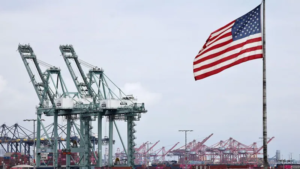
The conflict has severely disrupted global transport and energy markets. Shipping through the Strait of Hormuz, a corridor responsible for roughly one-fifth of global oil trade, has been halted following Iranian threats and attacks on commercial vessels. Oil prices have surged, and tanker shipping rates have reached record highs.
Air travel across the Gulf has also been thrown into chaos. Major hubs, including Dubai International Airport, remain closed for a fourth consecutive day, stranding tens of thousands of passengers and disrupting global flight routes.
Political and Diplomatic Fallout
Iran maintains that it is not pursuing nuclear weapons and has described the U.S.-Israeli offensive as unprovoked, asserting that it occurred amid ongoing nuclear negotiations. Commercial satellite imagery has reportedly captured what may be the first confirmed strikes on an Iranian nuclear facility since the conflict began.
President Trump said the campaign was necessary to counter an imminent threat tied to Iran’s nuclear and missile programmes. However, critics in Congress have questioned the legal basis and intelligence behind the decision.
The war has drawn international reaction. Russia, China, and Turkey have condemned the military action, while the United Kingdom has permitted U.S. forces to use British bases for what it termed “defensive” operations.
Domestically, the escalation represents a significant political gamble for President Trump ahead of upcoming midterm elections, with early polling indicating limited public support for the military campaign.
As hostilities continue, regional stability, global energy supplies, and international diplomatic relations remain under intense strain.