









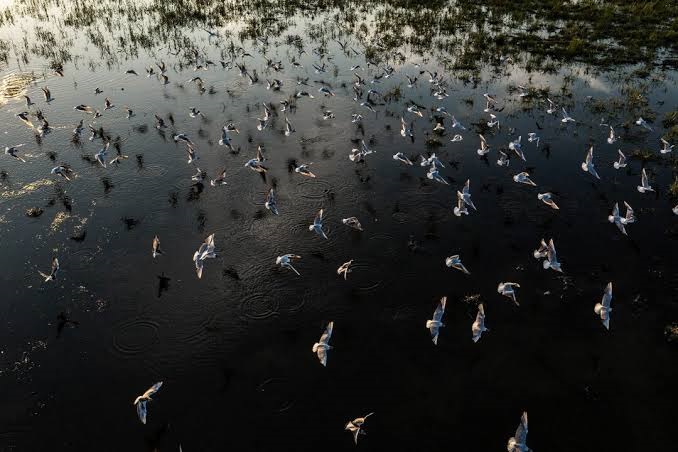
Hortobágy National Park, Hungary – July 17, 2026 – Hungarian authorities have launched emergency water replenishment efforts in Hortobágy National Park, a UNESCO World Heritage Site, to protect its internationally significant wetlands from the effects of one of the country’s most severe droughts in recent years.
The initiative involves channeling water into key marshland areas to preserve fragile ecosystems that provide essential habitat for thousands of migratory birds and other wildlife.
Safeguarding a Critical Wildlife Habitat
Known for its vast plains and wetlands, the Hortobágy Puszta is one of Europe’s most important stopover and breeding grounds for migratory bird species. Every year, tens of thousands of birds nest and breed in the park before beginning their migration to Africa as autumn approaches.
Particular attention is being given to Fekete Rét (Black Meadow), the park’s largest marshland. Historically sustained by seasonal flooding from the Tisza River, the area has experienced increasing water shortages over the past decade due to prolonged drought and declining groundwater levels.
The marshland first dried out in 2013 and suffered extensive damage during the severe drought of 2022, when more than 800 hectares of vegetation were destroyed by wildfire.
Emergency Water Replenishment Underway
According to Lajos Gál, Regional Unit Manager of the Hortobágy National Park Directorate, this year’s drought has presented exceptional challenges.
He explained that unusually early heatwaves, combined with below-average rainfall and significant water deficits at the beginning of the year, prevented the park’s wetlands from naturally replenishing. In response, Hungary’s water management authorities have supplied ecological water resources to restore critical marshland habitats and reduce the risk of further environmental degradation.
Climate Change Reshaping Local Ecosystems
Park officials say long-term changes in climate and declining precipitation continue to affect the region’s biodiversity, particularly migratory bird populations.
Warmer winters and earlier spring conditions have altered migration schedules, with many bird species now returning over longer periods rather than in traditional seasonal waves.
Conservation experts also report noticeable shifts in wildlife populations. While several species once common in the region have become increasingly rare, others—such as the little pygmy cormorant—have established thriving populations within the restored wetlands.
Commitment to Conservation
The emergency water management initiative underscores Hungary’s ongoing commitment to protecting one of Europe’s most ecologically valuable landscapes.
By restoring water to vulnerable marshlands, authorities aim to preserve biodiversity, support migratory bird populations, reduce wildfire risks, and safeguard the environmental heritage of Hortobágy National Park for future generations.


