









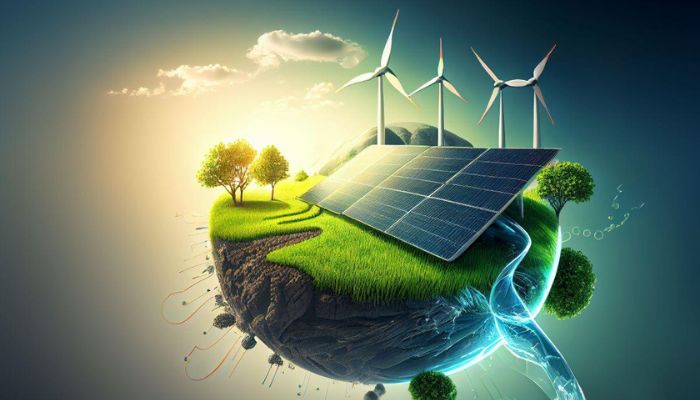
February 11, 2026 — The global energy and sustainability sector continues to gain unprecedented momentum as governments, corporations, and communities intensify efforts to transition toward cleaner, more resilient energy systems. Rapid advancements in renewable technologies, energy storage, electrification, and sustainable infrastructure are reshaping markets and reinforcing climate commitments worldwide.
Renewable energy remains at the forefront of this transformation. Solar and wind power installations are expanding at record pace, driven by declining technology costs, supportive policy frameworks, and increased corporate procurement of clean electricity. Grid-scale battery storage systems are being deployed alongside renewable projects to improve reliability, stabilize power supply, and reduce dependence on fossil fuel-based generation. These developments are strengthening energy security while accelerating emissions reductions.
Energy storage and smart grid modernization are playing a pivotal role in enabling higher renewable penetration. Advances in battery innovation, long-duration storage solutions, and digital grid management systems are enhancing real-time energy optimization and demand forecasting. The integration of distributed energy resources, including rooftop solar and community energy systems, is empowering consumers to actively participate in the energy ecosystem.
Electrification of transportation is also progressing rapidly. Governments are implementing stricter emissions standards while automakers expand electric vehicle production and invest heavily in battery supply chains. Beyond passenger vehicles, electrification efforts now extend to public transit fleets, commercial delivery systems, and emerging applications in heavy industry and logistics. Charging infrastructure development continues to expand to support widespread adoption and ensure long-term viability.
Corporate sustainability initiatives are becoming increasingly measurable and transparent. Organizations across sectors are embedding environmental performance into core business strategies, investing in renewable procurement, energy efficiency upgrades, sustainable materials, and carbon reduction technologies. Enhanced ESG reporting standards are reinforcing accountability and aligning sustainability objectives with long-term financial performance.
Emerging technologies such as green hydrogen, advanced nuclear solutions, carbon capture, and sustainable fuels are gaining attention as complementary pathways to decarbonize hard-to-abate industries. While many remain in early deployment phases, pilot programs and cross-border collaborations are signaling long-term commitment to diversified clean energy solutions.
Policy frameworks and climate finance mechanisms continue to evolve to support equitable growth. Governments and financial institutions are directing capital toward clean infrastructure projects, workforce development, and resilient energy systems. Ensuring a just transition remains central to global sustainability strategies, with emphasis on expanding access to affordable clean energy, creating green jobs, and delivering measurable environmental and economic benefits to underserved communities.
As the energy transition advances, stakeholders across the public and private sectors recognize that sustained collaboration, innovation, and accountability will be essential to meeting climate targets and strengthening global resilience. The convergence of technology, investment, and policy underscores a defining shift in how energy is produced, distributed, and consumed worldwide.


