









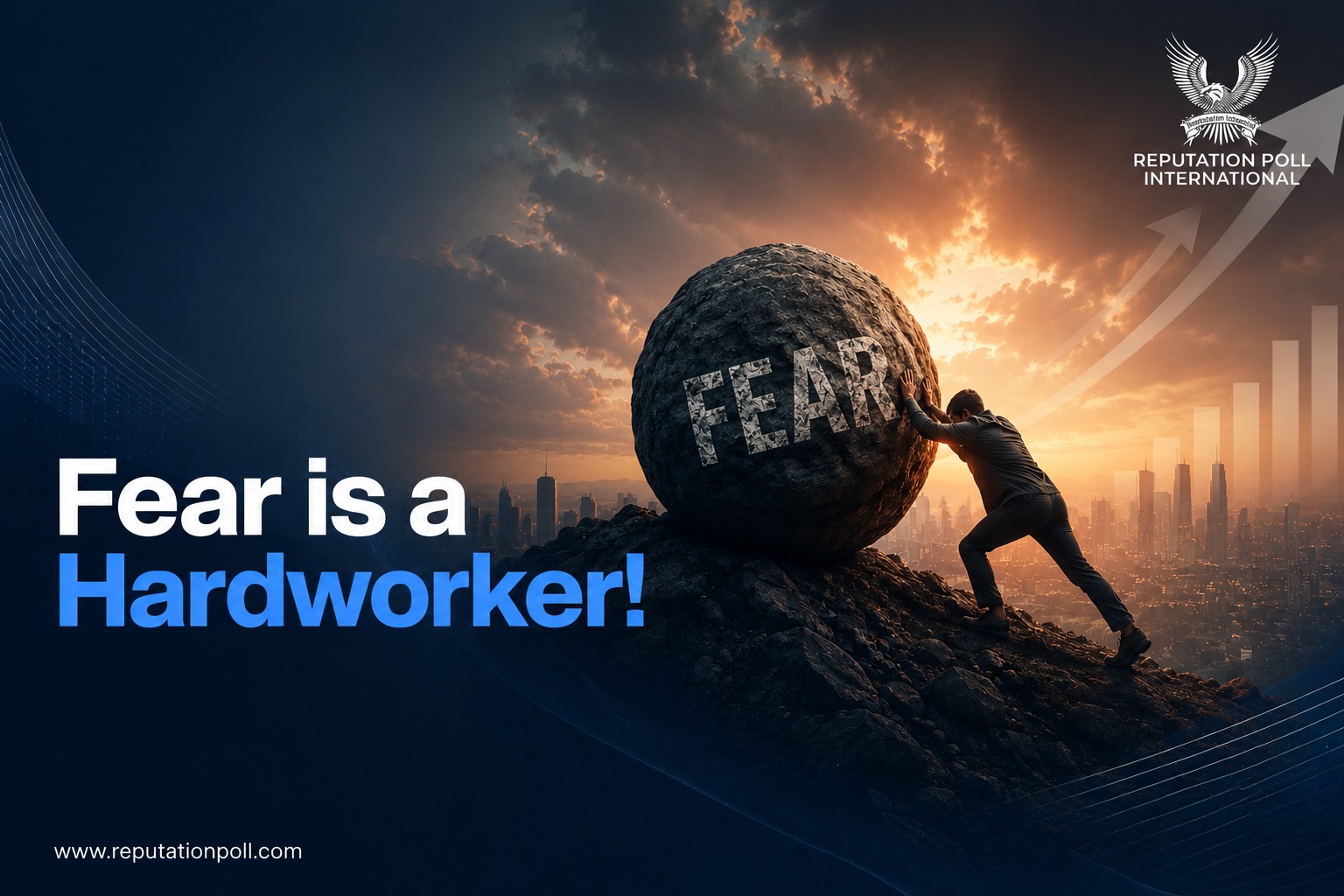
Imagine two paths. On one, you start the business. Write the book. Launch the idea. On the other, you become the person who helps someone else do those things. The work may be just as hard, but the emotional risk is completely different.
Many people choose the second path not because they lack dreams, but because they’re afraid that if their dream fails, it means they have failed. So they throw themselves into helping others succeed, using hard work and loyalty to avoid putting their own dreams to the test.
It isn’t laziness. It isn’t a lack of ambition. In fact, highly capable people do this all the time. They’ll pour their effort into everywhere else except the one place where the outcome would feel like a verdict on who they are.
The reasoning underneath it rarely gets said out loud, even to themselves: “It’s safer to help someone else win than to risk proving I can’t.” They stay busy supporting other people’s goals, showing up, delivering, and being productive, as an escape hatch from their own dreams.
Over time, a paradox sets in. The person becomes known as dependable, talented, and committed. Others trust them with real responsibility. Yet they rarely extend themselves that same trust. Their confidence becomes attached to executing someone else’s vision, never to bringing their own to life.
This is a form of self-handicapping, and it’s difficult to spot because it hides behind admirable traits like loyalty, commitment, humility, teamwork, and reliability. Those qualities are genuinely valuable, but they should support your vision, not replace it.
By never giving your own vision an honest test, you avoid the pain of possible failure. But you also give up the chance to discover what you’re actually capable of. That’s one of the costs of self-handicapping: dressing fear up as productivity to avoid the vulnerability of pursuing your own vision.
So think about it today: Are you working hard, or are you working hard to avoid your own dream?


