









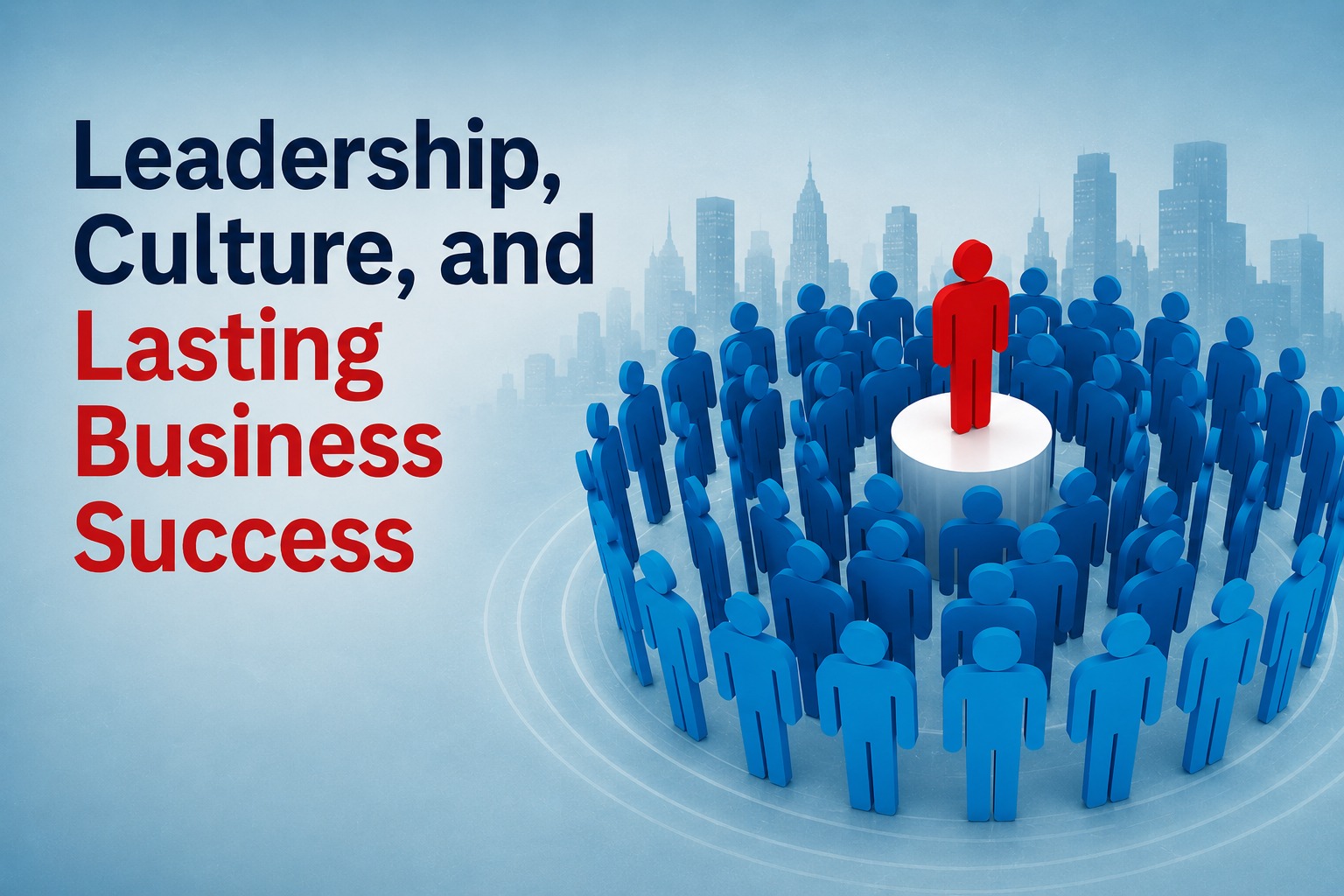
For years, a myth persisted in the corporate world that ruthless, cold-blooded leadership was the fastest ticket to the top. Flashy quarterly profits were often used to justify the behavior of high-pressure bosses who treated people like machines.
But today, research tells a different story. While clear expectations and accountability are important, studies show that people do their best work when they feel respected, heard, and safe to share their ideas. And workplaces built on trust often keep their employees longer, solve problems faster, and perform better over time.
Recent leadership research supports this. As businesses adapt to new technology, changing customer needs, and economic uncertainty, experts are placing greater value on empathy, emotional intelligence, and psychological safety. A 2026 study of England’s NHS trusts also found that organizations with more empathetic cultures had healthier employees, stronger performance, and lower staffing costs. These findings suggest that building a positive workplace culture is both a good leadership practice and a smart business strategy. And this is where the Reputation Dividend comes in. When leaders treat people with respect and create a workplace built on trust, they earn a strong reputation. Over time, that reputation becomes a valuable business asset.
Companies known for building a positive workplace culture often attract talented people. It also encourages employees to stay, saving the company the time and cost of replacing experienced workers. When employees feel safe sharing their thoughts and concerns, they are more likely to share creative ideas and raise concerns before small problems become bigger ones. Over time, this openness helps build trust both inside and outside the company. As a result, if the company makes an honest mistake, customers and investors are often more willing to give it another chance because they believe it usually acts with honesty and integrity.
So, effective leadership and empathy go hand in hand. Leaders can set high standards while also showing respect, listening well, and creating an environment where people can do their best work. In today’s world, emotional intelligence is more than a personal quality, it is also a smart business strategy that helps organizations build trust, solve problems, and achieve lasting success.


