









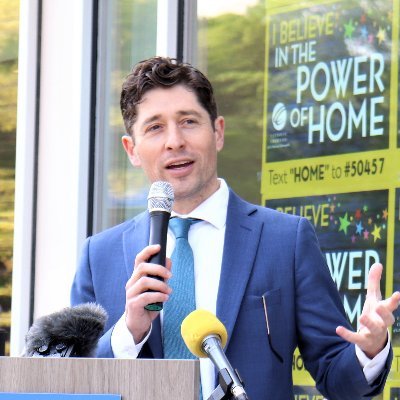
Minneapolis, MN – Minneapolis Mayor Jacob Frey is navigating one of the most turbulent chapters in the city’s modern history, as federal immigration enforcement actions, rising political tensions, and a succession of tragic events converge to test the limits of local leadership.
On the morning of January 24, Mayor Frey was attending his young daughter’s ballet class when he received an urgent call from Minneapolis Police Chief Brian O’Hara. Federal agents had fatally shot an ICU nurse, Alex Pretti, near a Nicollet Avenue doughnut shop. The incident marked the second killing of an American citizen by federal agents in Minneapolis within three weeks, intensifying public outcry and deepening fear across the city.
This tragedy adds to a series of crises that have defined Frey’s third term in office. From the devastating economic impact of COVID-19 and the civil unrest following George Floyd’s murder, to politically motivated shootings of state legislators and a mass shooting at a church school, Minneapolis has faced relentless challenges. Most recently, the launch of Operation Metro Surge, the largest federal immigration enforcement operation in U.S. history, has brought nearly 3,000 federal agents into the city, triggering protests, fear, and widespread disruption.
Heavily armed federal agents conducting aggressive raids have left neighborhoods shaken. Reports of children detained, families separated, and residents forcibly removed from vehicles have sparked outrage. School attendance has plummeted, immigrant-owned businesses are closing their doors, and communities now live under constant anxiety.
Mayor Frey has emerged as a central figure in the city’s response—balancing resistance to federal overreach with a commitment to stability and public safety. While criticized by some progressives for not doing more, Frey believes in a strategy of deliberate and measured opposition.
“Resistance is most effective when it’s strategic,” Frey said. “Our job is to prove that democratically governed cities can function, remain safe, and uphold human dignity.”
He has publicly condemned the federal operation, demanding that ICE withdraw from Minneapolis following the killing of resident Renee Good in early January. Recent public pressure and shifting political sentiment appear to be having an impact. Federal authorities have launched a civil rights investigation into Pretti’s death, and President Trump has announced a partial drawdown of federal forces, though a significant presence remains.
“This is not about safety or immigration,” Frey stated. “This is about political theater that inflicts real harm on real people.”
A former professional runner and civil rights attorney, Frey moved to Minneapolis in 2009, later serving on the city council before becoming mayor. Known for his hands-on leadership style and commitment to unity, Frey continues to advocate for resilience, compassion, and accountability during a time of national and local uncertainty.
As Minneapolis confronts the consequences of intensified federal enforcement, the city stands as a stark warning of how immigration policy, when aggressively implemented, can destabilize communities and strain democratic institutions nationwide.


