









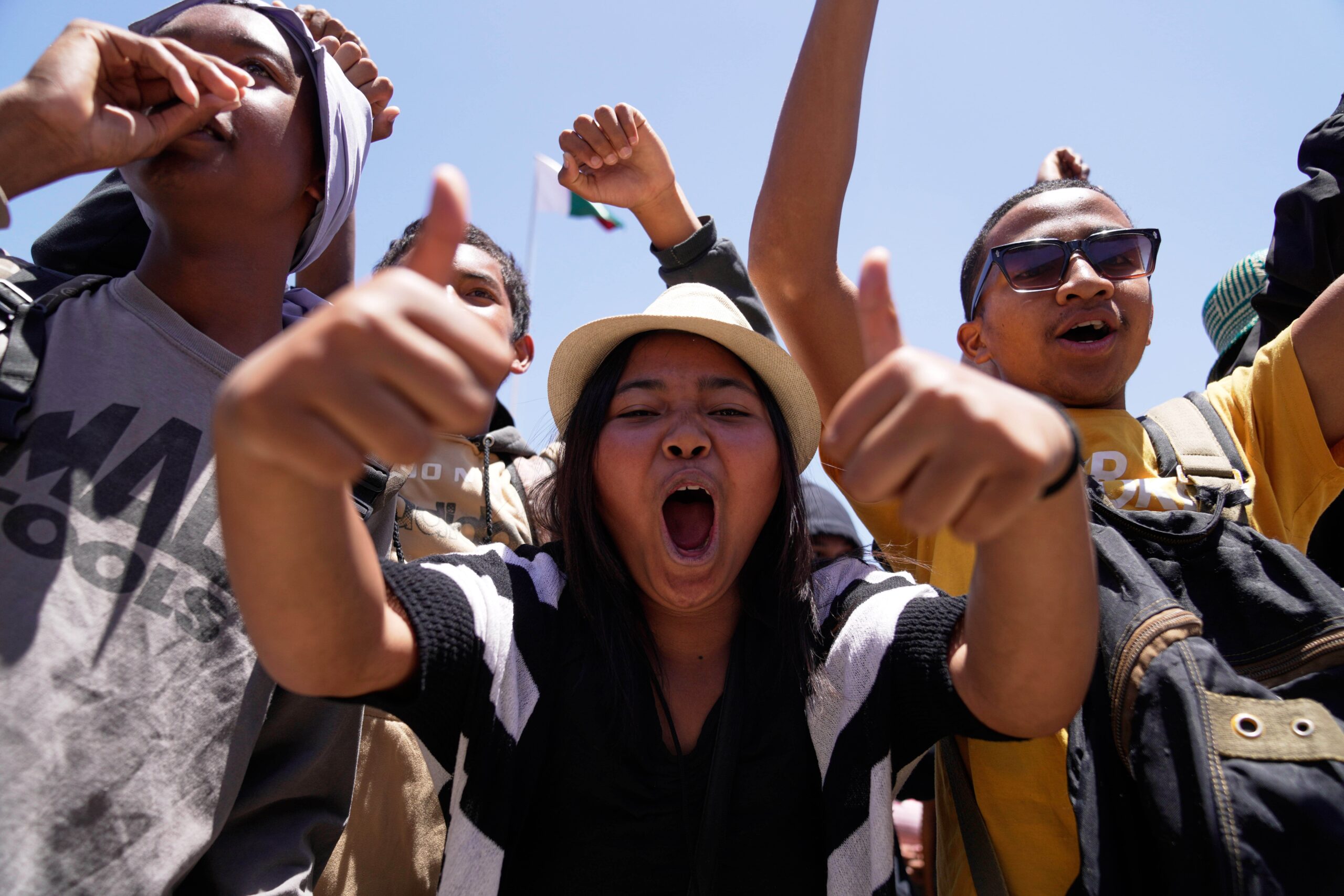
Youth-led protests across several countries over the past year have underscored rising frustration among Generation Z over limited economic opportunities, weak governance and restricted political freedoms, according to recent analyses of global protest movements.
From Bangladesh to Madagascar, demonstrations driven largely by young people have helped unseat governments and shaken long-standing political systems. In many cases, protesters demanded political reform and accountability, using powerful symbols and social media to mobilise and draw global attention.
Born between 1997 and 2012, Gen Z is rapidly moving into political relevance, with millions now of voting age. Data from international research groups show that around 80 countries, representing about 2.5 billion people, have a median age of 29 or younger — making them heavily influenced by Gen Z demographics. Most of these countries are in Africa, Asia and parts of Latin America.
Analysts say countries with large youth populations face heightened risks of unrest when economic prospects are poor and institutions are weak. Academic research has long linked so-called “youth bulges” to higher levels of political volatility, including protests, riots and, in extreme cases, conflict.
Recent protests show that youthful uprisings are not limited to the youngest nations. Demonstrations in countries such as Iran and Morocco — where median ages are above 30 — reveal that dissatisfaction with economic conditions and political elites can spark unrest even in relatively older societies.
In Africa, the consequences have been especially stark. In Sudan, mass protests in 2019 led to the fall of longtime ruler Omar al-Bashir, but hopes for democratic transition collapsed into civil war by 2023. In Kenya, Gen Z-led protests in 2024 forced President William Ruto to withdraw proposed tax increases and dismiss his cabinet, amid anger over public debt and perceived elite excesses.


Polling data suggests that young Africans strongly support democracy, even as many feel they receive less of it than they desire. However, frustration with ineffective or corrupt democratic systems has also led some young people to tolerate — or even support — military or strongman rule, as seen in Madagascar and parts of the Sahel.
The influence of Gen Z is also being felt in wealthier nations. In Europe and the United States, young people are increasingly vocal about the high cost of housing, student debt, job insecurity and concerns that artificial intelligence could limit future employment. These pressures have pushed some towards political movements once considered fringe.
As the first fully digital-native generation, Gen Z has unprecedented access to information and global comparisons, amplifying dissatisfaction with inequality and governance failures. Analysts warn that this combination of demographic weight, economic anxiety and political awareness makes Gen Z a powerful — and potentially disruptive — force in both developing and developed economies.


