









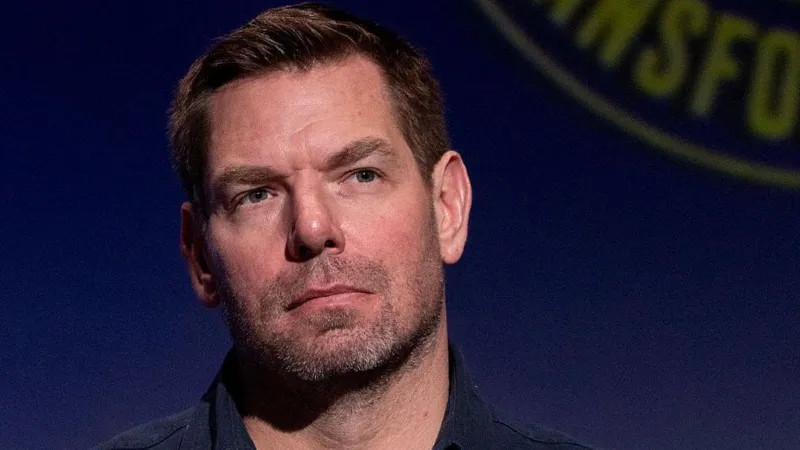
The Democratic Party’s position in the 2026 California gubernatorial race has become increasingly uncertain following the withdrawal of Representative Eric Swalwell from the contest. His exit comes amid allegations of sexual assault and misconduct, which he has denied, while acknowledging past errors in judgment.
Swalwell’s departure has intensified existing challenges within the Democratic field, including an overcrowded slate of candidates, limited statewide name recognition, and concerns over voter engagement. Prior to his withdrawal, party leaders had hoped his growing momentum would help consolidate support and secure a place for Democrats in the general election.
California’s primary system allows the top two vote-getters—regardless of party affiliation—to advance to the general election. Recent polling has indicated a fragmented Democratic vote, raising the possibility that two Republican candidates could secure the leading positions in the primary, effectively excluding Democrats from the general election ballot. Such an outcome would be unprecedented in a state that has long been considered a Democratic stronghold.
The race has already been shaped by the absence of high-profile Democratic figures, as Governor Gavin Newsom is term-limited and other prominent leaders declined to run. The current field of lesser-known candidates has struggled to gain traction across California’s expansive and competitive media landscape.
Political analysts have described the situation as highly fluid, noting that the Democratic vote remains divided with no clear frontrunner emerging to unify the party. The outcome of the race carries broader national significance, given California’s influence on economic, environmental, and technology policy.
As the primary approaches, the Democratic Party faces mounting pressure to consolidate support and reestablish a competitive position in what has become one of the most unpredictable gubernatorial races in the state’s recent history.


